December 30, 2025 – As a technology pioneer in the global outdoor LED display industry, Shenzhen RGX Electronics Co., Ltd. has long focused on differentiated product R&D and scenario-based solution implementation. Aiming at the five widely applied products—fixed transparent LED screens, rental transparent LED screens, LED mesh screens, LED holographic screens, and LED crystal film screens—the RGX Technical Center has released an authoritative analysis of their core differences based on technical architectures, performance parameters, and practical application scenarios, providing a precise selection basis for global clients.
1. Fixed Transparent LED Screen
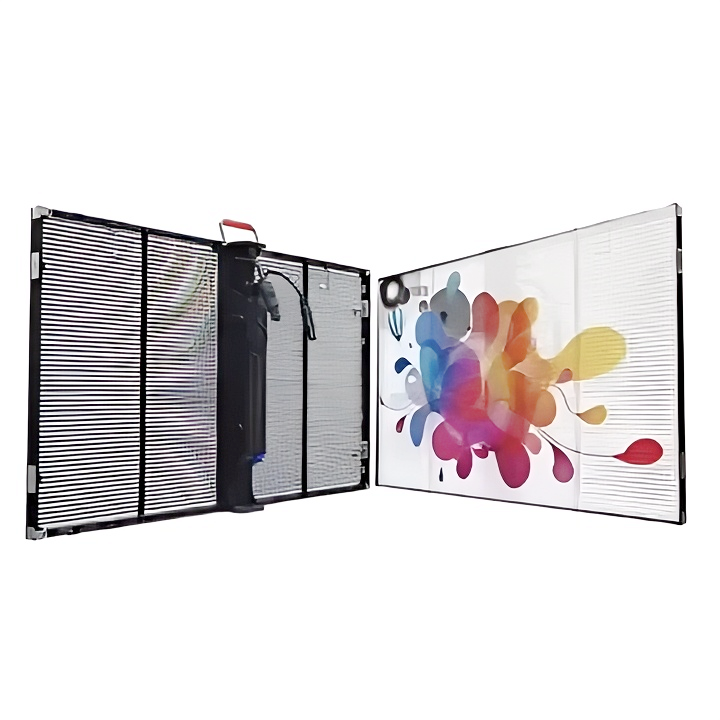
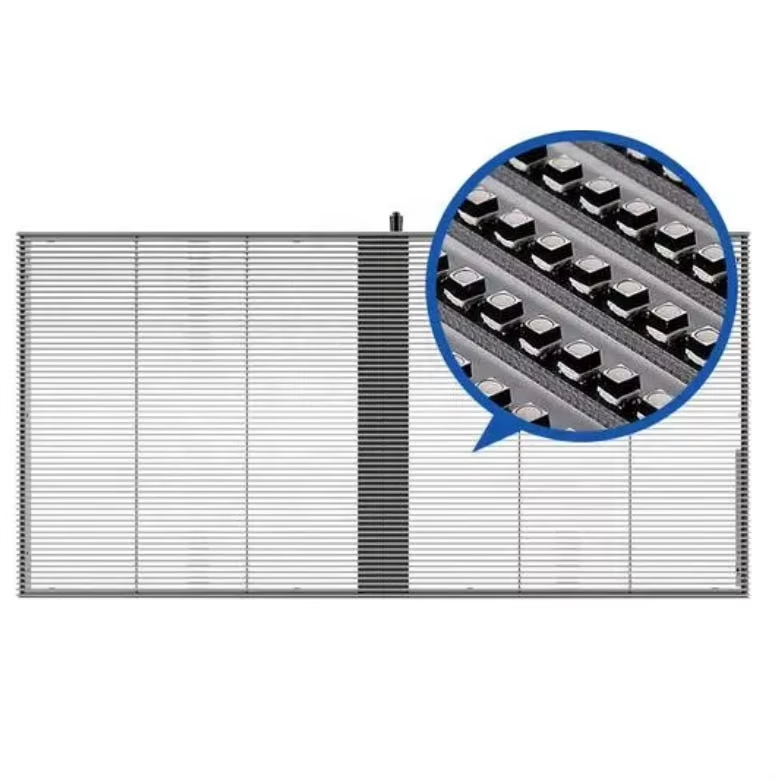
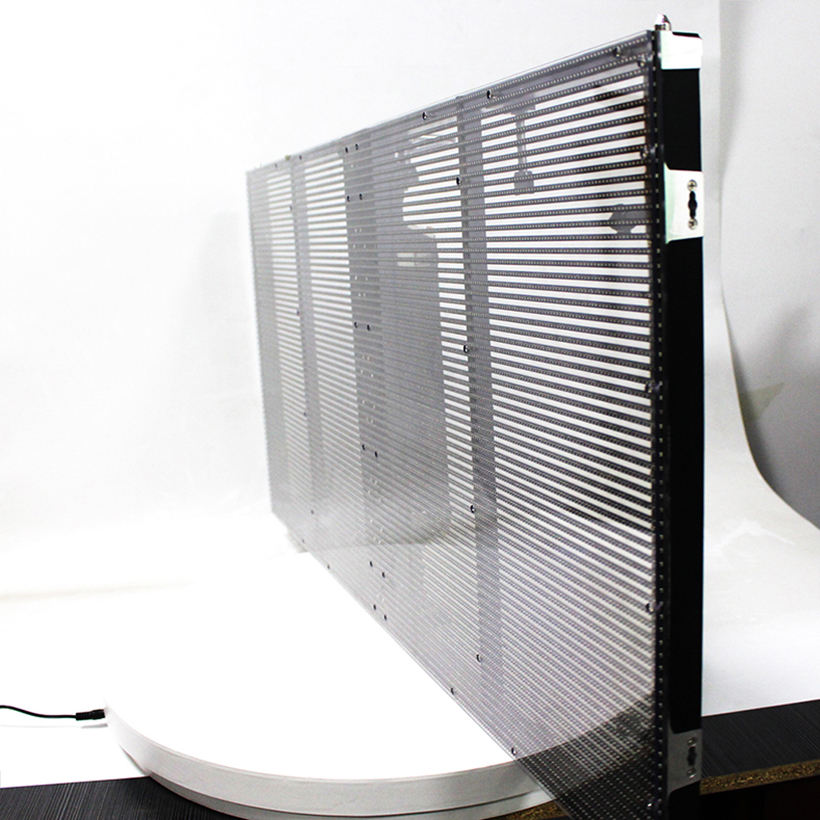
Positioned as a long-term fixed outdoor display carrier, it adopts an aviation-grade high-strength structural design and integrates customized low-temperature driver ICs and wide-temperature range light-emitting chips. Capable of stable operation in extreme climates ranging from -40℃ to 50℃, it boasts excellent resistance to wind, snow, ultraviolet radiation, and corrosion. The screen transparency can be customized within the range of 15%-85%, balancing high-definition display effects with natural building lighting needs. It is suitable for long-term lighting projects such as commercial complex curtain walls and urban landmark facades. Post-maintenance adopts a modular replacement mode to ensure continuous and stable system operation.
2. Rental Transparent LED Screen
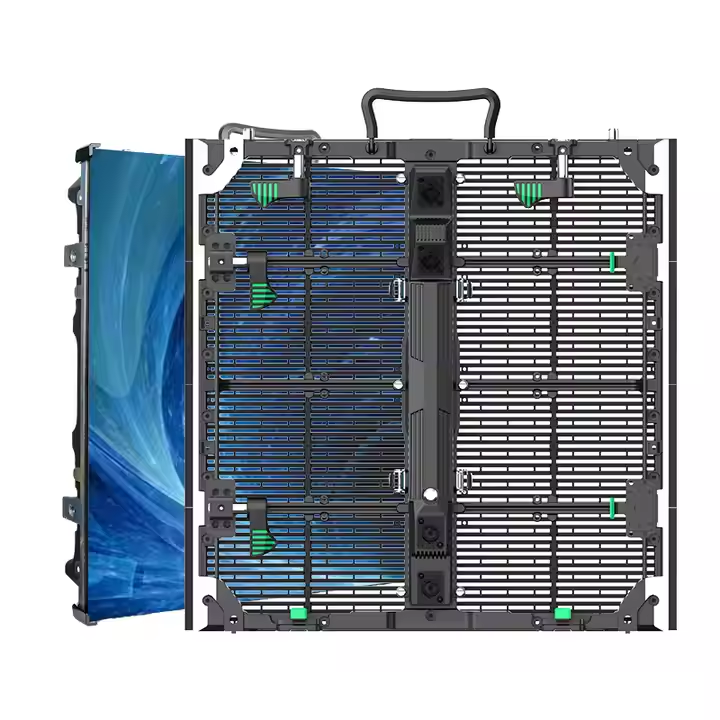
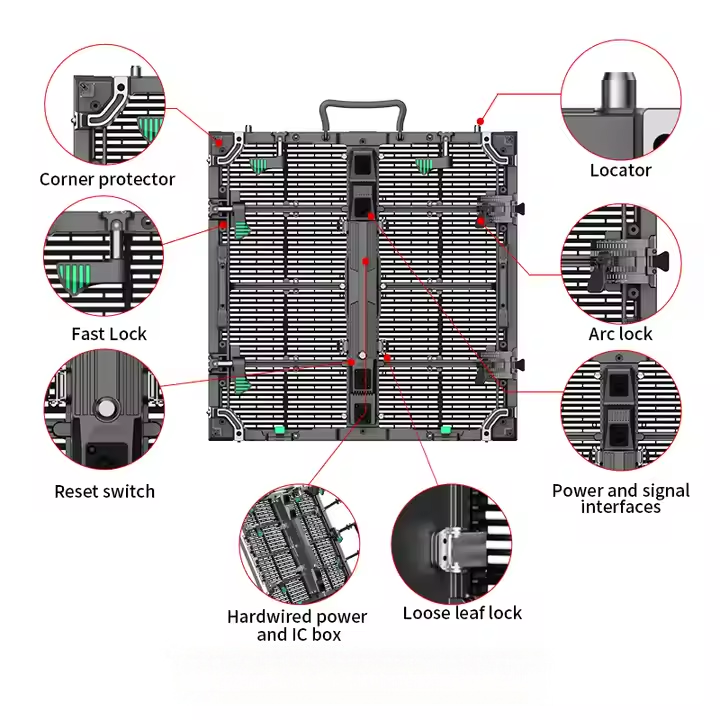
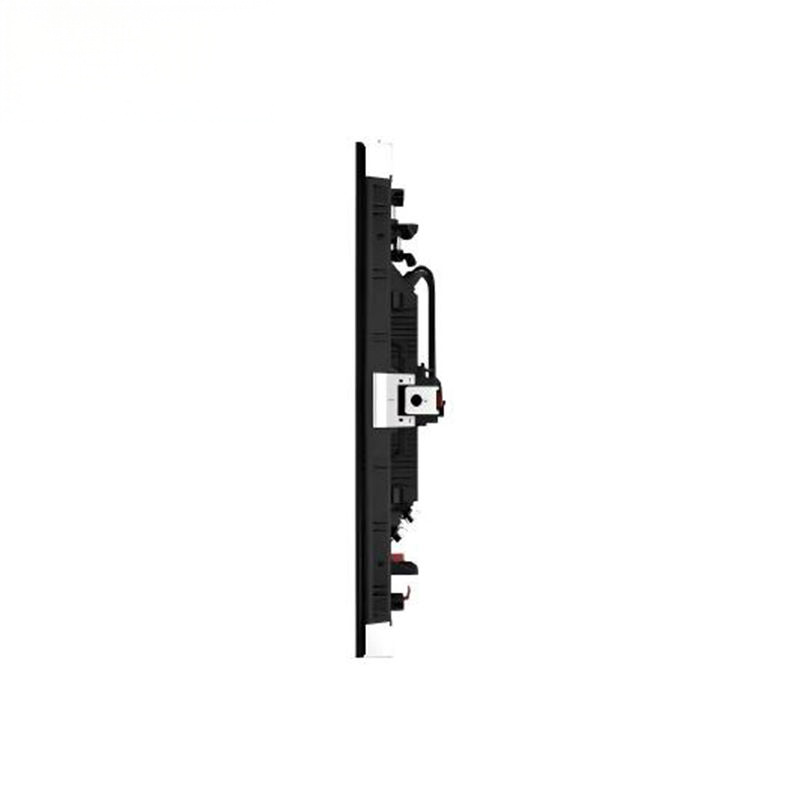
Focused on rapid deployment needs for temporary scenarios, it features a core design concept of light weight, convenience, and high reusability. The weight of a single module is controlled within 5kg, equipped with a high-precision magnetic splicing structure with a splicing gap ≤ 0.1mm, enabling minute-level quick assembly, disassembly, and storage. Built-in shockproof and shatterproof protection components, the product is compatible with mainstream control systems via its signal interface and supports plug-and-play functionality. It perfectly matches short-cycle application scenarios such as exhibitions, stage performances, and temporary commercial events, effectively reducing clients’ operational costs.
3. LED Mesh Screen
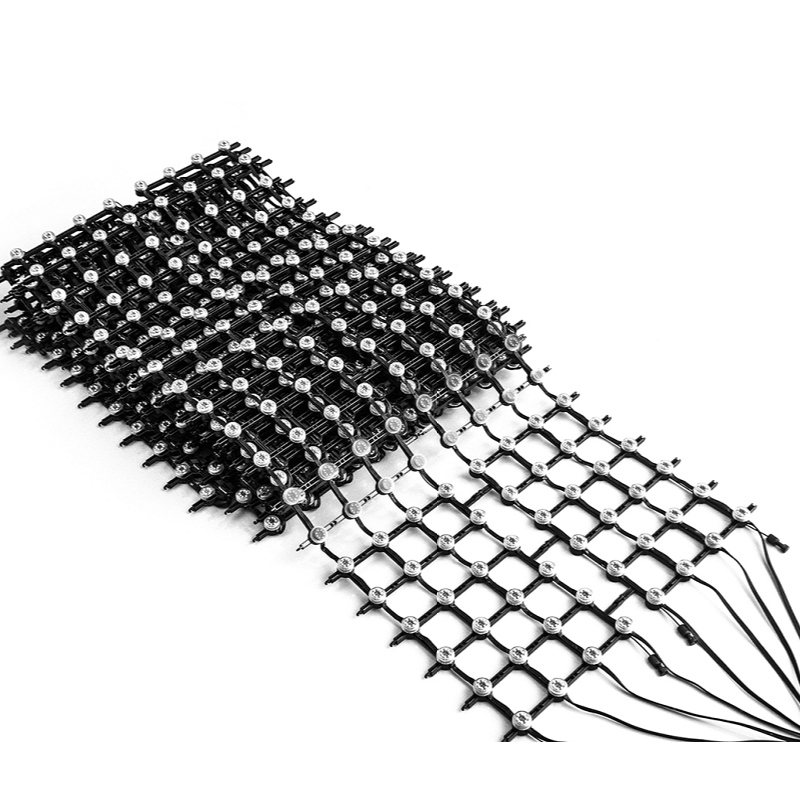
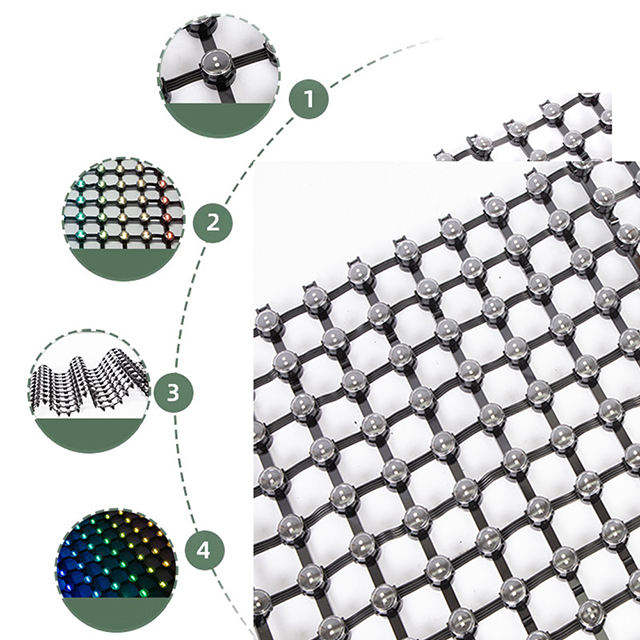
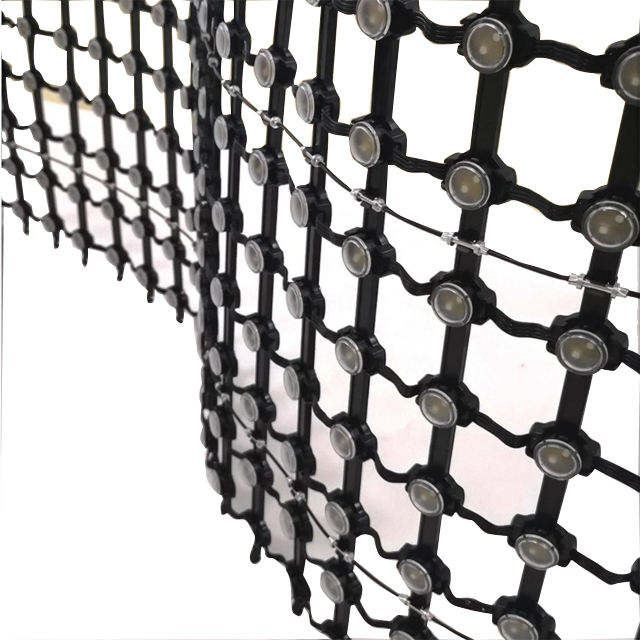
Adopting a dot-matrix mesh architecture design, it consists of independent light-emitting pixel units and lightweight metal mesh brackets, with a screen light transmittance of over 90%. The nearly invisible installation effect can maximize the preservation of the original architectural appearance. With light weight, low wind load coefficient, and minimal requirements for the load-bearing capacity of installation carriers, it is suitable for scenarios with strict structural safety requirements, such as high-rise building facades, bridge railings, and urban skyline lighting. It has distinct advantages including excellent long-distance visual effects, low energy consumption, and low maintenance costs.
4. LED Holographic Screen
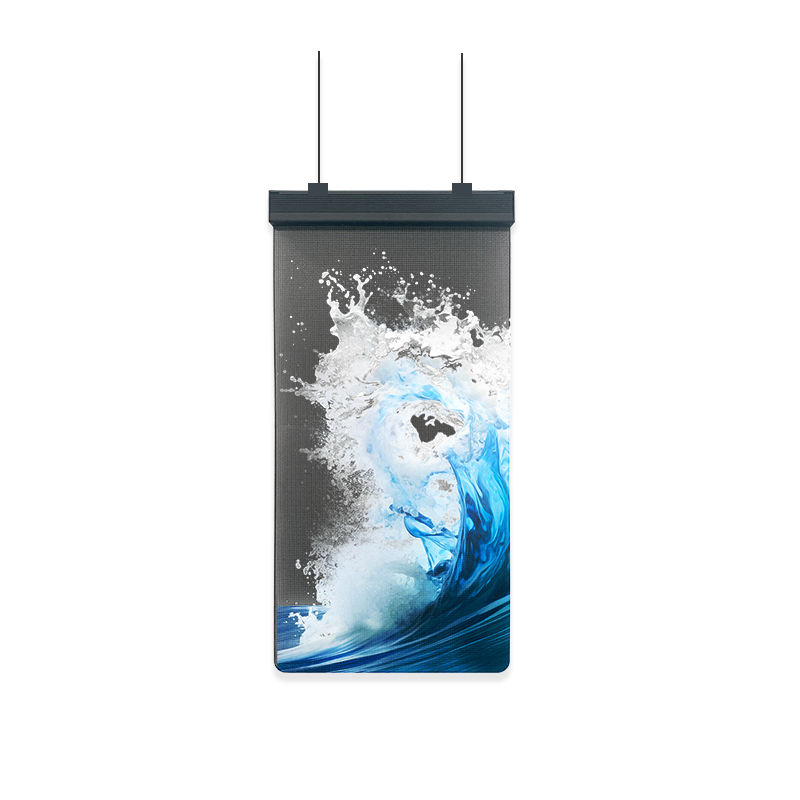
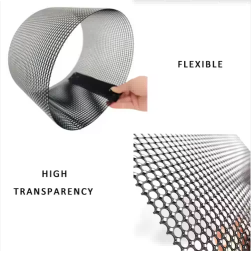
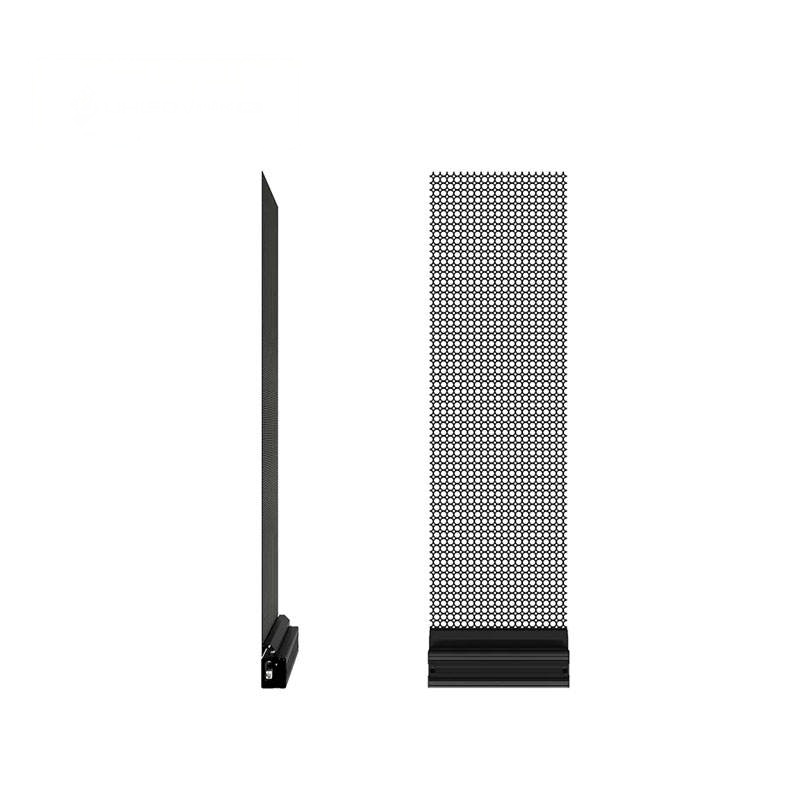
Leveraging cutting-edge holographic imaging technology, it integrates high-light-transmittance optical substrates and nanoscale optical coatings to achieve naked-eye 3D floating display effects, presenting stereoscopic immersive images without the need for auxiliary devices. The screen features ultra-high contrast and color reproduction, with prominent image layering and realism. It has professional requirements for the lighting conditions of the installation environment and needs to be matched with customized image content. It is mainly applied in immersive experience scenarios such as high-end commercial exhibition halls, science and technology museums, and brand launch conferences.
5. LED Crystal Film Screen
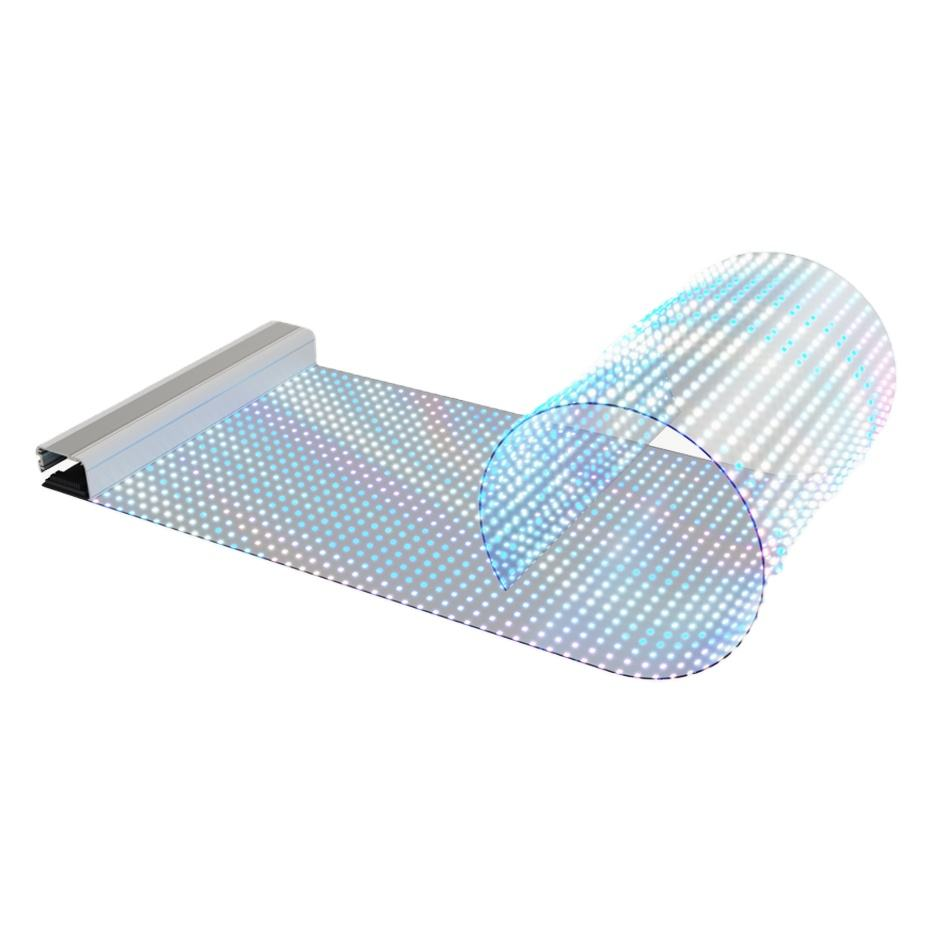
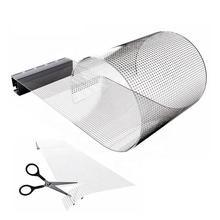
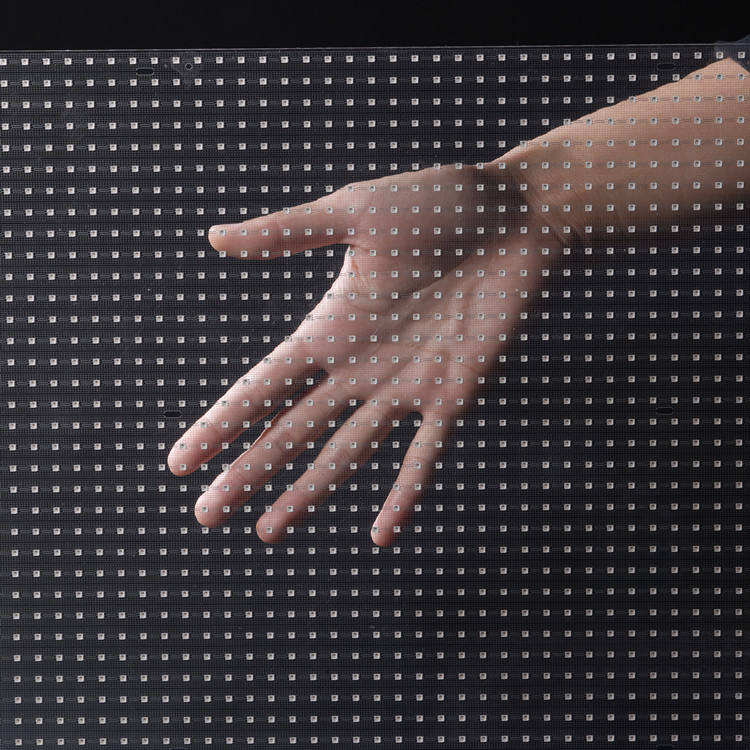
Highlighted by flexible special-shaped adaptation as its core technical feature, it adopts an ultra-thin flexible crystal film substrate with a thickness of only 0.3-0.8mm. It can be freely bent and cut to perfectly fit unconventional display carriers such as curved building surfaces, curved walls, and special-shaped art installations. Covering a pixel pitch range of P1.5-P4, the product supports high-definition fine display at close range and is suitable for creative lighting projects in indoor high-end commercial spaces and special-shaped building facades.
Summary of Core Differences
In terms of structural characteristics, fixed transparent screens and mesh screens are rigid-structured, suitable for long-term fixed scenarios; rental transparent screens focus on splicing convenience; holographic screens rely on optical imaging structures; crystal film screens are centered on flexible substrates.
In terms of performance focus, fixed transparent screens and mesh screens emphasize weather resistance and high light transmittance; rental transparent screens highlight portability and reusability; holographic screens feature naked-eye 3D visual effects; crystal film screens focus on special-shaped adaptation capabilities.
In terms of application scenario classification, fixed transparent screens and mesh screens are mostly used for outdoor building lighting; rental transparent screens serve temporary events; holographic screens and crystal film screens are more suitable for indoor high-end commercial or creative display needs.
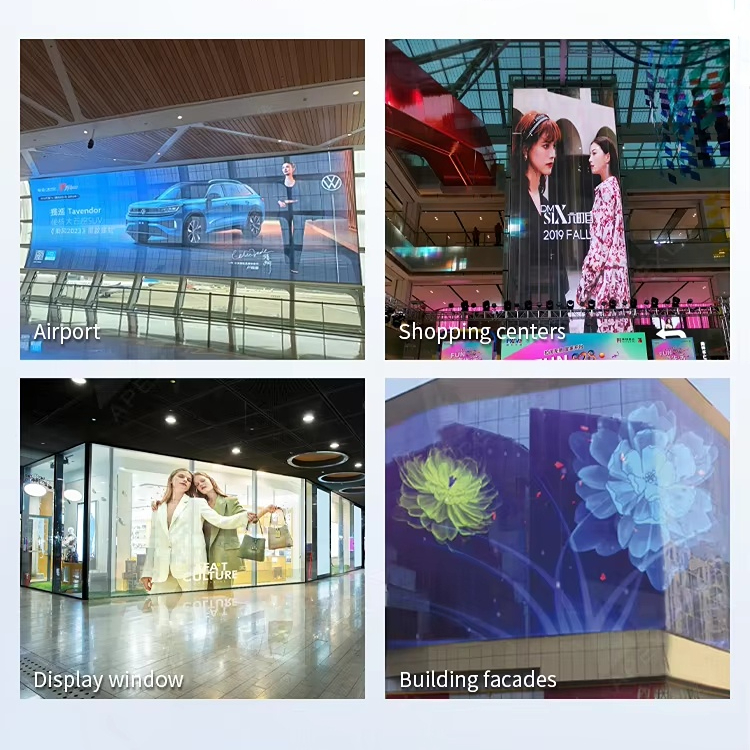
A RGX technical director stated that clients can comprehensively select products based on three core factors: installation environment, service cycle, and display requirements. RGX will continue to provide customized LED display solutions for global clients.